
Meeting Students Where They Are
July 24, 2026
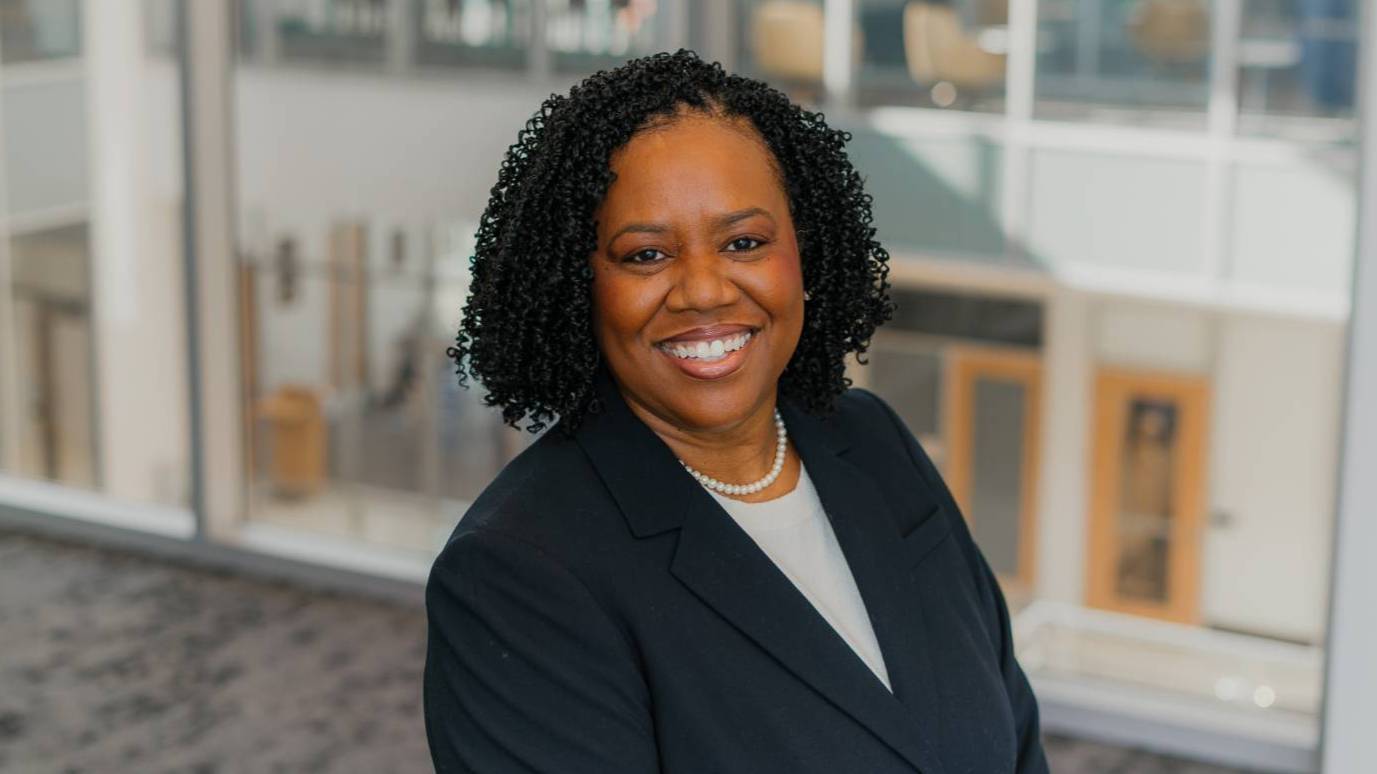
A great educator does more than teach. They encourage, listen and adapt to each student’s needs. Rather than moving through lecture slides and sending students on their way, they stop and ask, “Is this making sense?” Dr. Catherine Alexander explains this approach comes down to one simple principle: meeting students where they are.
A beloved chemistry instructor, Dr. Alexander joined FranU in 2022. Her story begins as a junior sitting in her high school chemistry class.
It wasn’t the periodic table that sparked her interest in the subject. It was her teacher, Mrs. Brister, who changed Alexander’s view on chemistry and education.
“More than anything, it was the way she treated her students that made an impression on me,” Alexander said. “She created an environment where we felt cared for and valued. She had young children of her own, and she brought that same nurturing, motherly approach into the classroom.”
With the pressures of graduation and constant questions about the future, Mrs. Brister’s classroom became a safe space.
“Once she built that connection with us, learning came naturally,” Alexander said. “Everything she taught just seemed to make sense to me, and that's really where my love for chemistry began.”
After graduating high school, Alexander pursued a degree in chemistry. Here she encountered another professor that helped influence the direction of her career.
As an undergraduate, she participated in a Chem Demo Service-Learning Program that featured presenters from local schools and organizations. This program was started by Dr. George Stanley, who later became her Ph.D. advisor during graduate school.
It was while helping with demonstrations as a graduate student that Alexander discovered her love for teaching.
There was something special about watching a student's face light up when a concept finally clicked or when they saw something exciting happen right in front of them,” she said. “Those experiences made me realize that teaching was where my heart was.”
When it was time to graduate again, Alexander knew she wanted to be an educator.
“It probably didn't hurt that my mother is a retired third-grade math teacher, so maybe it was a little bit destiny too,” Alexander said.
Alexander describes her teaching style as responsive, tailoring her approach to meet students where they are. That often means adjusting her methods and stepping outside of what feels most comfortable.
“It's easy to teach in a way that's comfortable for me, but if my students aren't learning, then we're all wasting our time,” she said. “My goal is always to find the approach that helps them learn and succeed, even if that means stepping outside of my own comfort zone.”
She understands that chemistry is a difficult subject, but she never lets that deter her students from trying their best. Following the example of Mrs. Brister set years ago, Alexander works to create a classroom where students feel safe, supported and encouraged. She wants them to know they can come to her when they need help. Rather than focusing on getting a perfect score, Alexander emphasizes the importance of persevering when things feel overwhelming.
Chemistry is challenging, and I don't pretend otherwise," she said. “In fact, I often say to my students when we encounter challenging material, ‘Is it hard? Yes. Is it impossible? No.’ I want them to understand that success in chemistry isn’t about being naturally gifted. Instead, it's about being willing to learn, ask questions and keep trying when things get difficult.”
Alexander's approach to teaching reflects the educators who influenced her journey. She works to create the same sense of support she experienced in Mrs. Brister's classroom while fostering the excitement and curiosity she witnessed in Dr. Stanley's Chem Demo program. For Alexander, teaching is more than explaining chemistry. It's about helping students believe they can succeed and offering a guiding hand along the way.
Share